Disinfection Done Right: Cleanliness is not just next to godliness
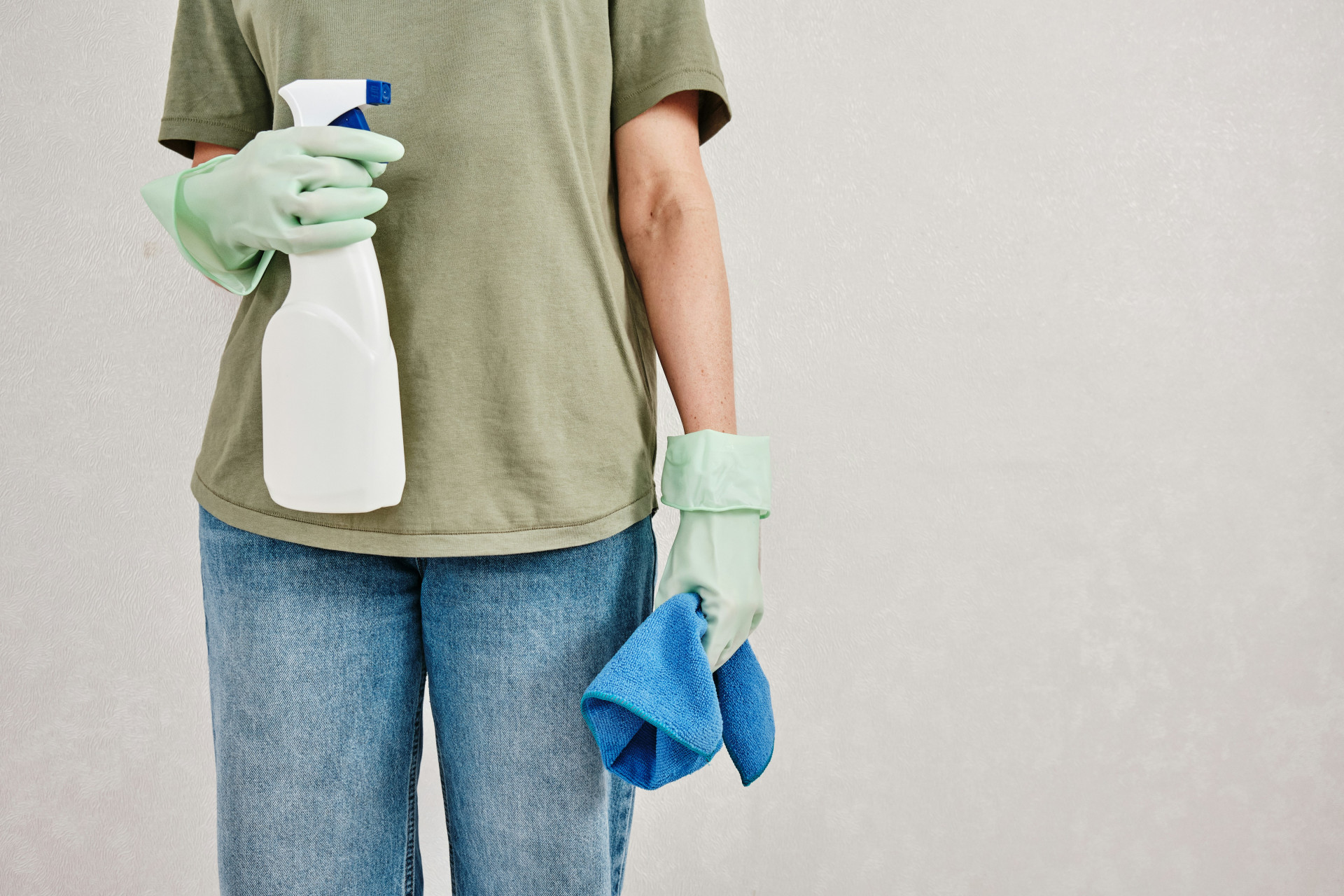
Disinfection Done Right: Cleanliness is not just next to godliness
The Importance of Disinfection
In today’s fast-paced world, cleanliness has taken on a new significance. Disinfecting our spaces is more than just a matter of presentation; it’s essential for health and safety. Viruses, bacteria, and other pathogens can thrive in the unlikeliest of places, leading to illnesses that can spread quickly. Understanding the importance of proper disinfection methods is crucial for maintaining both personal and public health.
Understanding the Difference Between Cleaning and Disinfecting
Many people often confuse cleaning with disinfecting. Cleaning involves the removal of dirt and impurities from surfaces, while disinfecting is the process of killing germs on those surfaces. Ideally, cleaning should precede disinfecting. When you clean a surface, you remove any organic matter that can shield pathogens from disinfectants, allowing the disinfectant to work more effectively.
Choosing the Right Disinfectant
There are countless disinfectants available, each with different active ingredients and effectiveness against various germs. EPA-registered disinfectants are tested for their efficacy against bacteria and viruses. Always check the label for specific claims about the microorganisms the product can kill. Furthermore, be mindful of environmental impact and opt for eco-friendly options whenever possible.
Proper Disinfection Techniques
To disinfect surfaces effectively, follow these essential steps:
- Clean First: Before applying disinfectant, ensure the surface is cleaned to remove any dirt or grime.
- Apply Generously: Apply a sufficient amount of disinfectant to cover the entire surface. Follow the manufacturers instructions on dwell time—the time the surface should remain wet for effective disinfection.
- Use the Right Tools: Utilize clean cloths, disposable wipes, or mops made for disinfecting. Avoid reusing cloths soaked in disinfectants, as they can harbor germs.
High-Touch Areas That Require Regular Disinfection
Not all surfaces need equal attention when it comes to disinfection. Focus on high-touch areas, which include:
- Door knobs and handles
- Light switches
- Remotes and electronic devices
- Countertops
- Bathroom fixtures
Regular disinfection of these areas is crucial, especially in homes with children or individuals with weakened immune systems, to minimize the risk of infection.
Executing a Disinfection Routine
Creating a structured disinfecting routine can significantly enhance your cleaning efforts. Consider the following:
- Frequency: Identify areas that require daily, weekly, or monthly disinfection. For instance, bathrooms might require daily attention, while less-frequented guest rooms can be treated weekly.
- Team Effort: If you live with others, involve them in the disinfection process. Assign tasks based on each persons responsibilities and strengths.
The Role of Personal Protective Equipment (PPE)
Safety should always be a priority when disinfecting. Utilizing Personal Protective Equipment (PPE) such as gloves, masks, and goggles can protect you from harsh chemicals. Always ensure proper ventilation when using disinfectants to minimize inhalation of fumes. Your health is just as important as the cleanliness of your environment.
Innovative Disinfection Technologies
In recent years, innovative technologies have emerged to enhance our disinfection methods. UV light sterilization, electrostatic sprayers, and fogging machines are becoming popular in commercial settings. These methods can cover large areas more efficiently and provide additional layers of protection against pathogens.
As we navigate our way through a world that continues to face health challenges, understanding disinfection is key. Proper techniques, products, and a focus on high-touch areas will ensure that we maintain a clean and healthy environment.


