Effective Cleaning Equipment for Schools and Institutions with High Daily Activity


Effective Cleaning Equipment for Schools and Institutions with High Daily Activity
When hundreds of pupils, teachers, and staff move through classrooms, corridors, and communal areas every day, cleaning becomes a demanding task. Schools and institutions with high daily activity need equipment that can handle wear, dirt, and time pressure – without compromising hygiene. Here’s an overview of the most effective cleaning equipment and how to optimise cleaning routines in busy educational environments across the UK.
Equipment Built for Daily Use
In high-traffic environments, durability and ergonomics are essential. Cleaning staff must work efficiently and safely, often for several hours a day. The right equipment should therefore be robust, easy to handle, and designed for repeated use.
- Professional floor scrubber dryers – ideal for large areas such as corridors, sports halls, and dining spaces. Modern models are quiet, energy-efficient, and adaptable to different floor types.
- Microfibre mops and cloths – remove dirt and bacteria effectively with minimal use of chemicals. They can be washed and reused many times, saving both money and the environment.
- Ergonomic cleaning trolleys – provide organisation and reduce heavy lifting. Modular trolleys can be customised for different cleaning zones and tasks.
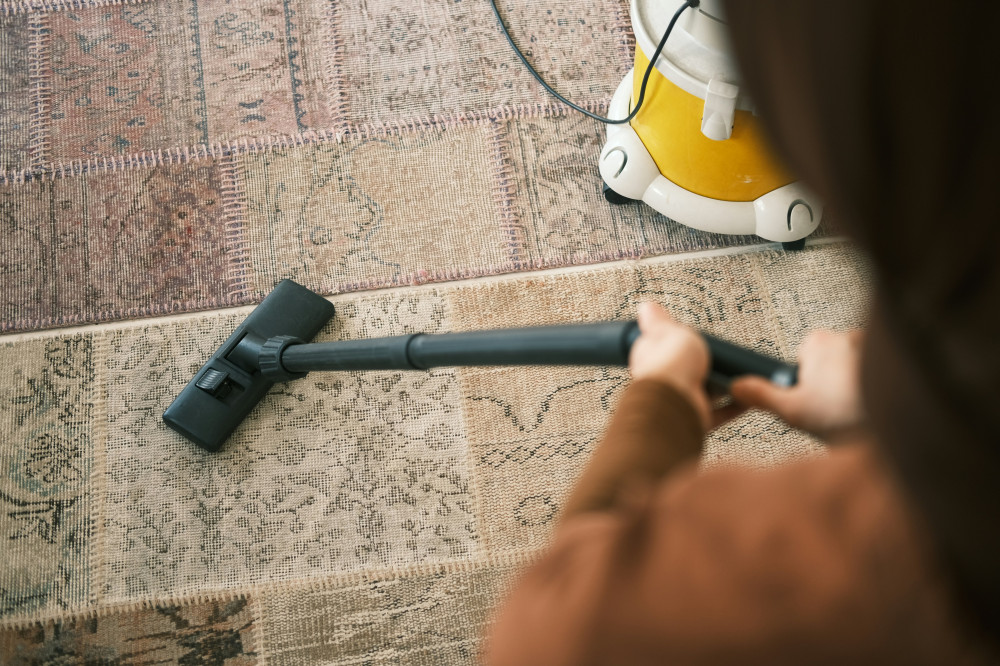
- Vacuum cleaners with HEPA filters – capture even the smallest particles and improve indoor air quality, which is particularly important in schools with children who have allergies or asthma.
Prioritising Hygiene and Safety
In schools and institutions, hygiene is not just about appearance – it’s about health. Poor cleaning practices can lead to the spread of bacteria and viruses, especially during flu season. Equipment should therefore support a systematic and safe cleaning process.
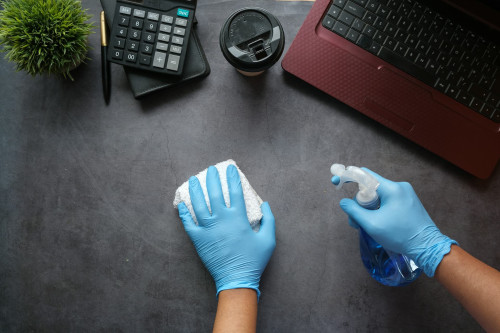
- Colour-coded equipment helps prevent cross-contamination. For example, blue cloths for classrooms, red for toilets, and green for kitchens.
- Touch-free dispensers for soap and sanitiser reduce the spread of germs and make it easier for pupils and staff to maintain good hand hygiene.
- Eco-certified cleaning products ensure effective cleaning while being gentle on both users and surfaces.
Efficient Planning and Time Management
Even the best equipment only makes a difference when used effectively. A well-structured cleaning plan can save both time and resources.
- Zoning the building allows cleaning teams to prioritise high-traffic areas such as entrances, toilets, and canteens.
- Digital planning tools can help track tasks, document completed work, and maintain consistent quality.
- Automated equipment, such as robotic vacuum cleaners or scrubber dryers, can relieve staff and free up time for more detailed cleaning tasks.
Læs også:

Sustainability and Environmental Responsibility
Many UK schools and institutions are increasingly focused on sustainability – including in their cleaning practices. The choice of equipment and methods can have a significant impact on both the environment and operating costs.
- Refillable cleaning systems reduce plastic waste.
- Energy-efficient machines lower electricity consumption and noise levels.
- Long-lasting equipment means fewer replacements and lower maintenance costs.
By combining eco-friendly products with efficient cleaning routines, institutions can improve indoor air quality while reducing their overall environmental footprint.
Training and Wellbeing for Cleaning Staff
An often-overlooked aspect of effective cleaning is staff wellbeing and training. Equipment should not only be functional but also support a healthy working environment.
- Ergonomic design helps prevent strain injuries and makes cleaning less physically demanding.
- Ongoing training in the use of new equipment and cleaning techniques ensures high standards and efficiency.
- Involving staff in planning gives them ownership and a better understanding of the institution’s needs.
When cleaning staff have the right tools and knowledge, both efficiency and job satisfaction increase.
An Investment in Health and Learning
Effective cleaning equipment is more than a practical necessity – it’s an investment in a healthy and safe environment for pupils and staff alike. A clean, well-maintained learning environment contributes to fewer sick days, better concentration, and a more pleasant atmosphere for everyone.
By choosing equipment that combines quality, ergonomics, and sustainability, schools and institutions can make cleaning an integrated part of a well-functioning daily routine – not a challenge, but a strength.
Læs også: