From Experiment to Everyday Life: The Quiet Revolution of Technology

From Experiment to Everyday Life: The Quiet Revolution of Technology
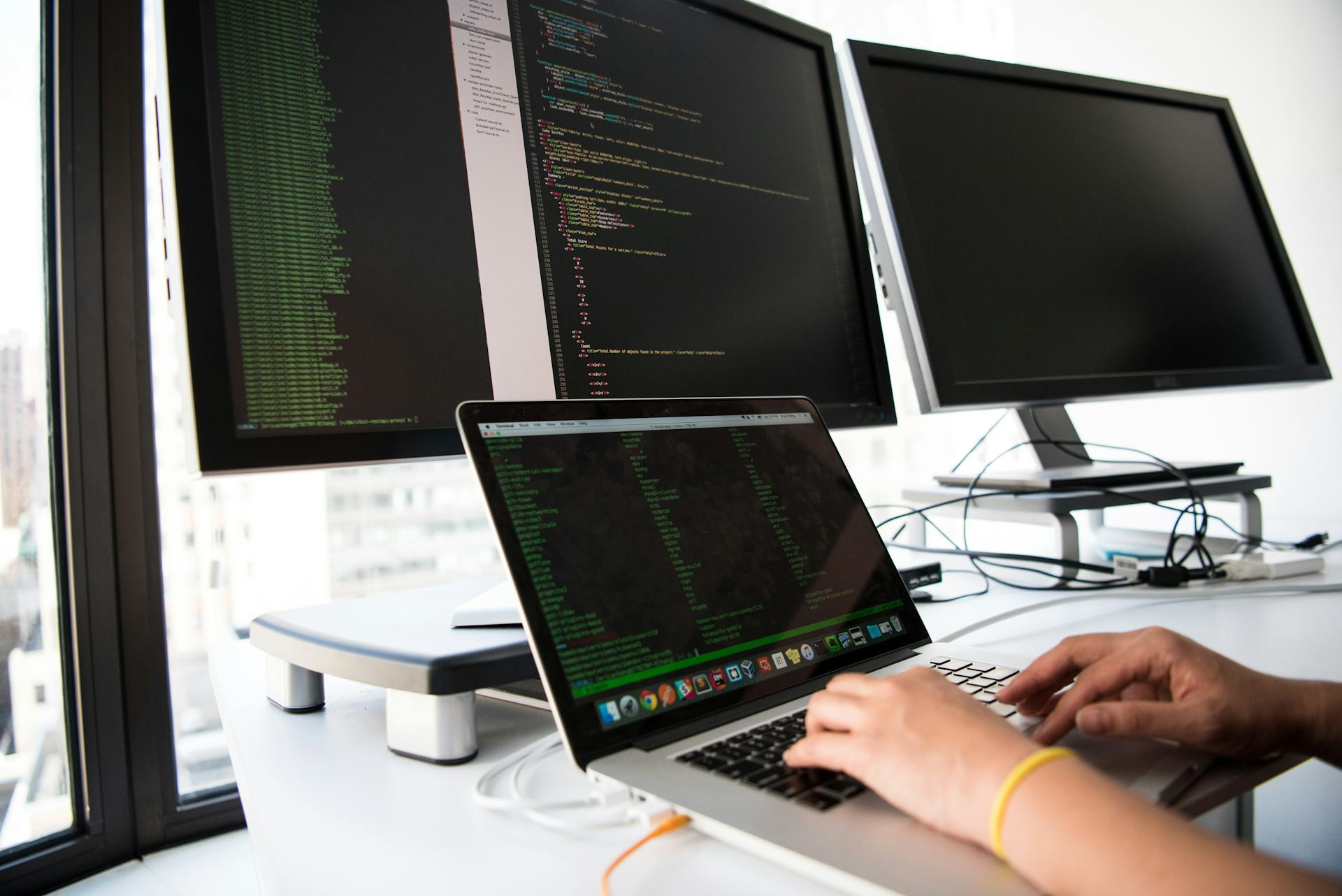
Only a few decades ago, many of the technologies we now take for granted belonged to research labs or the pages of science fiction. Smartphones, artificial intelligence, voice assistants and self-driving cars were experimental ideas – now they are part of our daily routines. The technological shift has not only changed how we work and communicate, but also how we think, learn and organise our lives. It is a quiet revolution, unfolding in our homes, offices and pockets.
From the Lab to the Living Room
Many of the technologies shaping our everyday lives began as specialised experiments. The internet, GPS and speech recognition were originally developed for military or academic use, but gradually found their way into the consumer world. The transition from experiment to everyday life rarely happens overnight. It occurs slowly, as technology becomes cheaper, more user-friendly and seamlessly integrated into our habits.
Artificial intelligence is a good example. Not long ago, it was a term reserved for research papers and tech conferences. Today, AI helps us sort photos, translate languages, write emails and even plan our shopping. We rarely think about the complex algorithms behind these tasks – they have simply become part of the background of modern life.
The Invisible Technology
One of the most striking trends in technological development is how invisible technology has become. Where computers once occupied entire desks, they are now embedded in everything from watches to thermostats. Sensors, microchips and wireless connections allow our surroundings to respond to us without us even noticing.
This is often called “quiet technology” – not because it is silent, but because it works subtly, changing our behaviour without demanding attention. When the lights turn on automatically as we enter a room, or when a car brakes to avoid a collision, we are witnessing decades of innovation distilled into effortless convenience. We adapt quickly to these comforts, often forgetting how revolutionary they truly are.
Læs også:

The Digital Rhythm of Everyday Life
The quiet revolution of technology is not only about new devices, but also about new habits. We check the weather on our phones, pay with our watches and receive notifications when our deliveries arrive. These small actions create a new rhythm in daily life – one where the digital and physical worlds blend together.
This transformation brings both benefits and challenges. On one hand, technology makes life easier and more efficient. On the other, it can lead to distraction and dependency if we fail to set boundaries. The quiet revolution therefore calls for quiet reflection: how do we use technology in a way that serves us, rather than controls us?
When Innovation Becomes Personal
Another fascinating aspect of this development is that innovation is no longer confined to large corporations. With 3D printers, open-source software and online communities, individuals can experiment, build and share their own creations. Technology has become democratic – anyone can take part.
This blurs the line between consumer and creator. We no longer just download apps – we can design them. We don’t simply buy products – we can customise them. The quiet revolution is also about ownership: about taking technology into our own hands and using it creatively.
The Future: More Human Technology
Looking ahead, the next step in this evolution may not be about more technology, but about better technology – technology that understands people. Artificial intelligence, voice control and smart sensors are becoming increasingly capable of reading our needs and adapting to our behaviour. The goal is not to replace humans, but to support them.
The quiet revolution continues – not as a sudden upheaval, but as a gradual movement where technology and humanity merge. And perhaps that is what makes it so powerful: it changes the world not with noise, but with nuance.
Læs også: