Save Energy in Your Shop: Optimise Lighting and Ventilation


Save Energy in Your Shop: Optimise Lighting and Ventilation
Energy use in shops is often higher than many owners realise. Lighting, ventilation and heating systems run for long hours every day – sometimes unnecessarily. With rising energy costs and growing environmental awareness, there are strong financial and sustainability reasons to look at how your shop can use energy more efficiently. Here’s a practical guide to improving lighting and ventilation without compromising the customer experience.
Start with an energy review
Before making changes, it’s worth understanding where your energy goes. Many UK energy suppliers and local councils offer free or low-cost energy audits for small businesses, providing a breakdown of your usage and tailored recommendations. You can also start by noting when lights and ventilation are switched on and whether they run when the shop is closed.
Even a simple review can reveal big savings – for example, if storeroom lights are left on overnight or the ventilation system runs at full speed outside trading hours.
Læs også:


Efficient lighting – more brightness for less energy
Lighting typically accounts for 30–40% of a shop’s electricity use, making it an ideal place to start saving.
- Switch to LED: Modern LED fittings use up to 70% less electricity than traditional bulbs and last five to ten times longer.
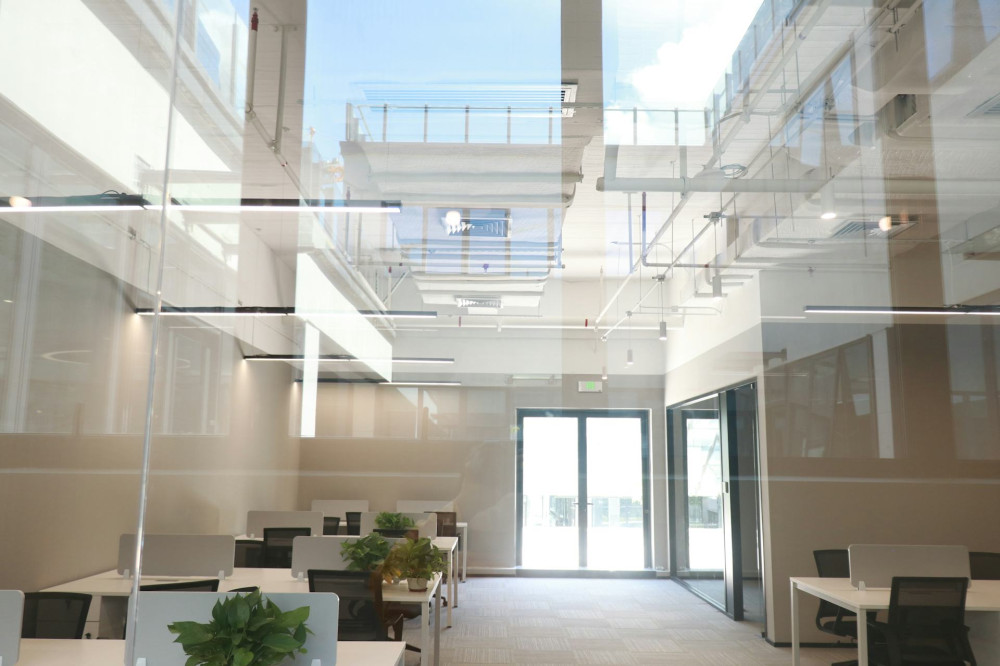
- Make the most of daylight: Arrange displays and work areas to take advantage of natural light from windows or skylights.
- Use sensors and timers: Motion sensors in stockrooms, toilets and staff areas ensure lights are only on when needed. Timers or smart controls can automatically switch off lights after closing time.
- Choose the right colour temperature: Cooler white light can highlight products, while warmer tones create a welcoming atmosphere. The right lighting design can enhance the shopping experience without increasing energy use.
Even small steps, such as replacing a few fittings or adjusting lighting zones, can lead to noticeable reductions in your electricity bill.
Ventilation – fresh air with lower energy use
Good air quality is essential for both staff and customers, but ventilation can be a major energy drain if not properly managed.
- Check operating hours: The system should run only during opening hours, perhaps at a lower setting before and after trading.
- Clean and maintain equipment: Blocked filters and dirty ducts make fans work harder and consume more power. Regular maintenance can cut energy use and extend equipment life.
- Consider demand-controlled ventilation: Modern systems can adjust airflow based on CO₂ levels or temperature, ensuring the system only runs when necessary.
- Use heat recovery: If your system includes heat recovery, it can reuse warmth from outgoing air to preheat incoming fresh air – a big advantage during the UK’s colder months.
A well-tuned ventilation system not only saves energy but also creates a healthier, more comfortable environment.
Balance comfort and savings
Energy efficiency should never come at the expense of customer comfort. A dim or stuffy shop can quickly feel uninviting. The goal is to balance efficiency with atmosphere.
For example, use lighting zones so display areas are brighter while corridors or storage spaces are more subdued. Similarly, adjust ventilation levels according to how busy different parts of the shop are throughout the day.
Make energy efficiency part of daily operations
Once you’ve optimised lighting and ventilation, keep the good habits going. Involve your staff – they can help by switching off lights, reporting faults and checking that systems aren’t running unnecessarily. Track your energy use monthly to see the impact of your improvements.
Many UK retailers find that investments in energy efficiency pay for themselves within a few years – and then continue to deliver savings. It also shows customers that your business takes environmental responsibility seriously.
A greener shop is a smarter business
Saving energy isn’t just about cutting costs; it’s about building a more sustainable and resilient business. Efficient lighting and ventilation improve comfort, reduce running costs and lower your carbon footprint. It’s an investment that benefits your bottom line – and the planet.
Læs også: