Temptations in the Canteen? How to Prevent Overeating at Work

Temptations in the Canteen? How to Prevent Overeating at Work
The smell of freshly baked pastries, sizzling chips, and a tray of brownies by the till can tempt even the most disciplined employee. For many, lunch is the highlight of the working day – a chance to relax, chat, and refuel. But it can also become a moment of overindulgence that leaves you sluggish for the afternoon. How can employees and workplaces create an environment that encourages healthy choices without taking the joy out of eating? Here are some ideas for preventing overeating at work.
Why We Eat More Than We Need
Overeating is rarely just about hunger. At work, many factors come into play: the smell of food, social habits, stress, and convenience. When faced with a buffet or a “help yourself” counter, it’s easy to let your eyes decide how much to take – especially if you’ve had a busy morning or skipped breakfast.
Research shows that we tend to eat more when we eat with others and when portion sizes are large. The variety and abundance of food in many workplace canteens can therefore lead us to eat more than our bodies actually need, often without realising it.
Be Mindful of Portion Sizes
A simple but effective step is to become more aware of portion sizes. Start with a smaller plate – it makes your meal look more satisfying and helps your brain register that you’re getting a full portion. Wait a few minutes before going back for seconds; often, your body will signal fullness in that time.
Canteens can support this by offering smaller plates, clearly separating vegetables, proteins, and carbohydrates, and placing the healthiest options first in the queue. Even small visual cues can make a big difference in how much people serve themselves.
Eat With Focus – Not in Front of a Screen
Many people eat lunch at their desks to save time, but this habit can backfire. When you eat while distracted by emails or meetings, you’re less likely to notice how much you’re eating or to feel satisfied afterwards.
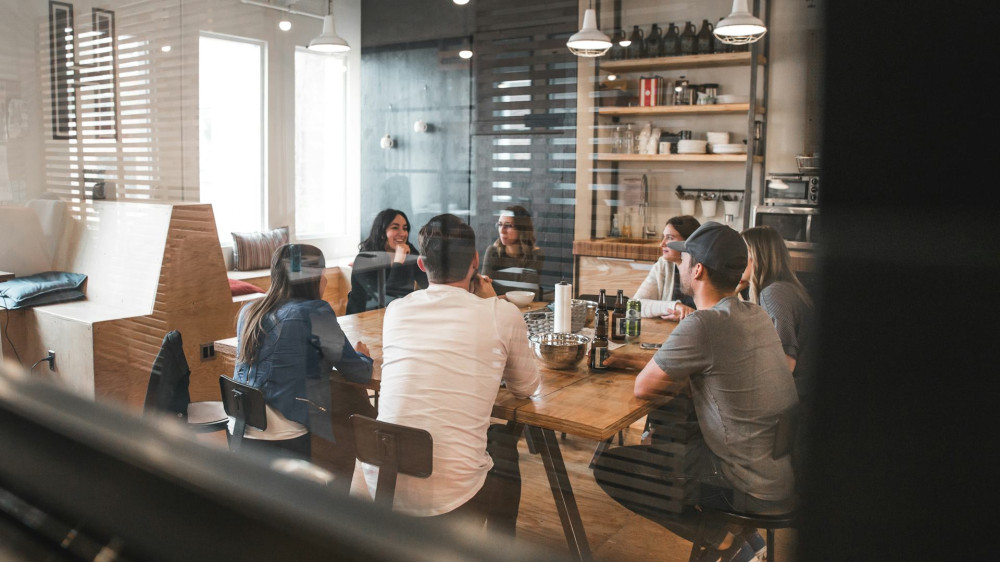
Make lunch a real break. Step away from your desk, put your phone aside, and focus on the food and the conversation. Eating mindfully not only improves digestion but also helps you return to work feeling refreshed and more alert.
The Canteen’s Role: Small Changes, Big Impact
Workplace canteens can do a lot to encourage healthy eating without making it feel restrictive. Here are a few practical ideas:
- Make vegetables visible and appealing – place salads and vegetable dishes first in the serving line.
- Offer smaller portions of desserts – so people can enjoy a treat without overdoing it.
- Use clear labelling – short descriptions of ingredients or nutritional information can help staff make informed choices.
- Promote balance, not bans – the goal is to make the healthy choice the easy and attractive one.
When the canteen signals that health and enjoyment can go hand in hand, employees are more likely to follow suit.
Manage Stress and Fatigue – Hidden Triggers for Overeating
Many people don’t overeat because they’re hungry, but because they’re stressed, tired, or in need of a break. Sugary or fatty foods can give a quick energy boost, but the effect fades fast, often leaving you feeling more drained.
Workplaces can help by encouraging short breaks, walks outside, or moments to recharge away from the desk. These small pauses reduce the urge to “eat for energy” and support overall wellbeing and concentration.
Build a Positive Food Culture
Food at work should be a source of enjoyment and connection – not guilt. It’s about balance and awareness, not restriction. When people allow themselves to enjoy their meals while listening to their body’s signals, it becomes easier to find a natural rhythm with food.
Managers and colleagues can contribute by talking positively about food and wellbeing rather than focusing on weight or diets. A healthy canteen culture is one that supports everyone in feeling energised and comfortable throughout the day.
Læs også:


Small Steps, Big Difference
Preventing overeating at work doesn’t require drastic changes. It’s about small, conscious choices – from individuals and from the canteen. When you eat mindfully, choose with intention, and give yourself time to enjoy your break, lunch becomes more than just a meal. It becomes a moment to recharge both body and mind.
Læs også: