When the Office Gets Noisy: Effective Solutions to Acoustic Challenges in Open-Plan Workspaces


When the Office Gets Noisy: Effective Solutions to Acoustic Challenges in Open-Plan Workspaces
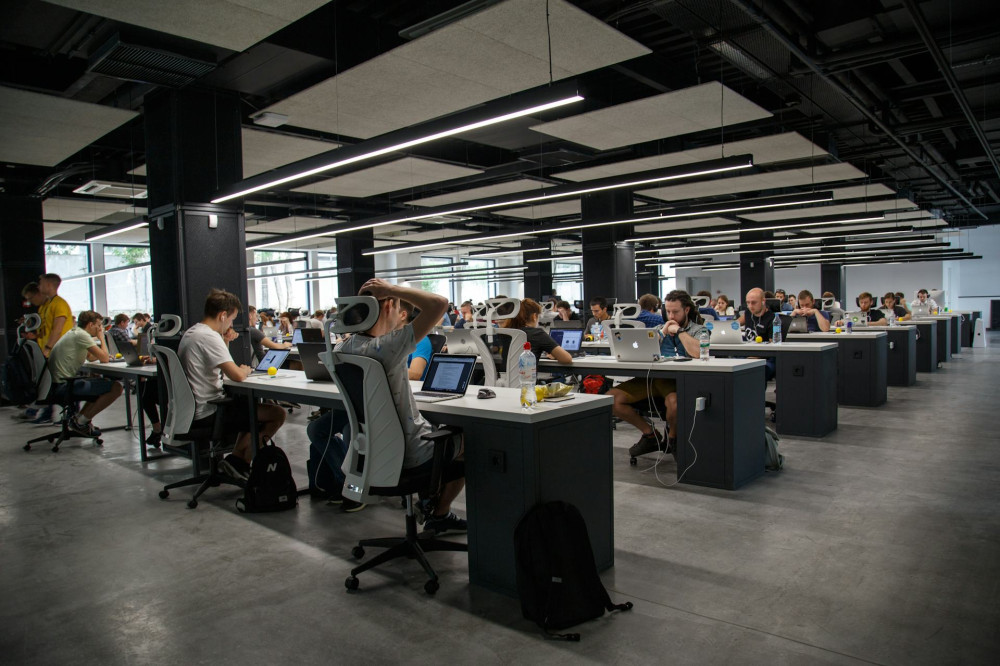
Open-plan offices have become the norm across the UK, from creative agencies in London to tech hubs in Manchester. They encourage collaboration, flexibility and a sense of community – but they also come with a familiar downside: noise. Conversations, phone calls, keyboard clicks and the hum of office equipment can quickly turn into a distracting soundscape. Poor acoustics don’t just affect concentration; they can also impact wellbeing. Fortunately, there are many ways to bring calm back into the workspace.
Why Noise Is More Than Just an Irritation
Research shows that workplace noise can lead to stress, fatigue and reduced productivity. When the brain constantly filters out background sounds, it uses energy that could otherwise go towards focus and creativity. Even low-level noise can be disruptive, especially for tasks that require deep concentration.
In open-plan offices, the problem is amplified because sound travels freely between desks. Hard surfaces such as glass, concrete and metal reflect sound, while a lack of soft materials prevents the room from absorbing it. The result is an echoing environment where every conversation seems to carry.
Læs også:



Start by Understanding the Sound Environment
Before jumping into solutions, it’s important to identify where the noise comes from. Is it chatter, ventilation systems, printers or echoes caused by the room’s design? A professional acoustic assessment – or even a few days of careful observation – can reveal the main culprits.
Many organisations find that the issue isn’t just the volume of noise, but its character. A steady background hum may be tolerable, while sudden bursts of laughter or ringing phones are far more distracting.
Acoustic Solutions That Work
There’s no one-size-fits-all fix, but combining several measures can make a significant difference.
- Sound-absorbing ceilings and wall panels – Acoustic panels made from mineral wool or fabric reduce reverberation and soften echoes.
- Carpets and curtains – Soft materials break up sound waves and create a more comfortable acoustic environment.
- Screens and furniture with sound-absorbing surfaces – These can define work zones and create pockets of quiet.
- Plants – Large indoor plants not only improve air quality but also help diffuse sound.
- Sound masking – A controlled background noise, such as gentle white noise, can make sudden sounds less noticeable and create a more consistent sound level.
Design with Purpose
Acoustics are not just about materials – they’re also about how the space is used. Consider dividing the office into zones: quiet areas for focused work, collaboration zones for teamwork, and meeting rooms for longer discussions.
Place noisy functions – such as printers, coffee machines and breakout areas – away from desks where concentration is key. Even small layout adjustments can have a big impact on how sound travels.
Behaviour and Culture Matter Too
Even the best acoustic design can’t compensate for poor etiquette. A shared understanding of how to use the space is essential.
Set clear guidelines for phone calls, impromptu meetings and the use of headphones. Some offices introduce “quiet hours” during the day, when unnecessary chatter is kept to a minimum. It may take time to adjust, but it can greatly improve the working atmosphere.
Technology as an Ally
Technology can also help. Noise-cancelling headphones are a quick and effective way to create personal quiet zones. There are also apps that measure sound levels in the office, allowing teams to monitor how changes affect the acoustic environment over time.
An Investment in Wellbeing and Productivity
Improving office acoustics isn’t just about comfort – it’s an investment in employee wellbeing and organisational performance. A calmer sound environment means fewer distractions, lower stress levels and better collaboration.
When the office gets noisy, it’s a sign that the space isn’t working for its people. With the right acoustic strategies, it’s possible to create a workplace where conversation and concentration can thrive side by side.
Læs også: