Green Logistics: Using Warehouse Data for Sustainable Decisions

Green Logistics: Using Warehouse Data for Sustainable Decisions
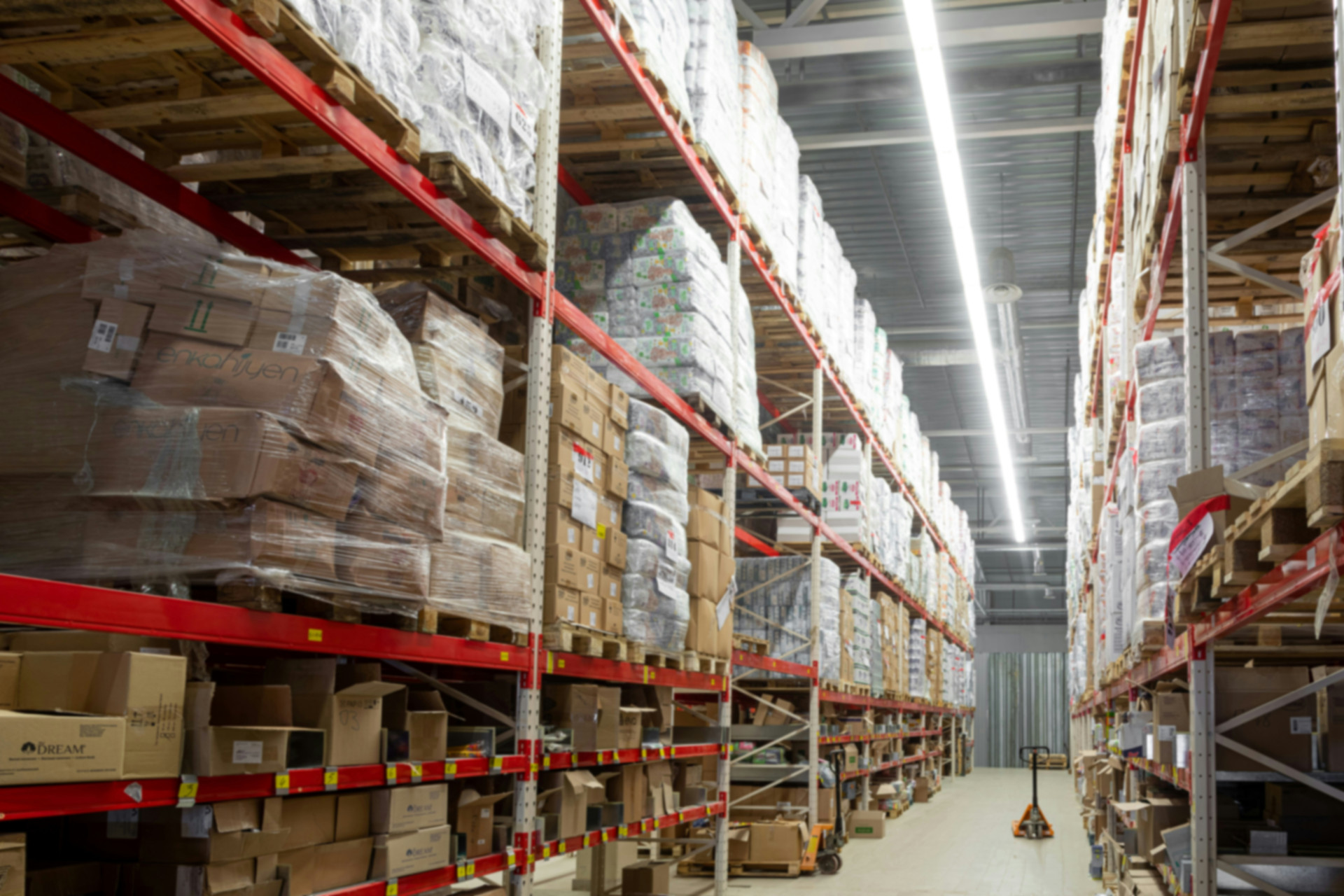
In a time when sustainability has become a central part of both consumer expectations and corporate strategy, logistics plays a crucial role. The warehouse is no longer just a place to store goods – it is a data hub that can reveal how resources are used and where energy, time, and CO₂ can be saved. By using warehouse data strategically, businesses can make more sustainable decisions that strengthen both their environmental profile and their bottom line.
Data as a Driver of Green Transformation
Warehouse data holds a wealth of information: from stock movements and storage times to energy consumption and transport patterns. When analysed systematically, these data sets can uncover inefficiencies and point to concrete opportunities for improvement.
For example, identifying products that are frequently moved unnecessarily around the warehouse can save both time and energy. By optimising placement based on picking frequency and seasonal demand, companies can reduce wasteful handling. Similarly, data on temperature and energy use can help adjust lighting, ventilation, and cooling systems to ensure energy is used as efficiently as possible.
Optimising Transport and Route Planning
Transport between warehouse and customer is one of the largest sources of CO₂ emissions in logistics. Here, warehouse data can be combined with transport data to create more efficient routes and higher load factors. By analysing when and how often certain products are dispatched, companies can plan deliveries so that vehicles run at full capacity and with fewer empty miles.
Many UK logistics providers are now using algorithms that automatically suggest the most sustainable route based on real-time data about traffic, weather, and delivery windows. This reduces fuel consumption and delivery times while offering customers a greener service.
Reducing Waste Through Smarter Inventory Management
Overproduction and waste remain major challenges in many supply chains. By using warehouse data to forecast demand more accurately, businesses can avoid producing or ordering more than necessary. This reduces both waste and unnecessary transport.
Data can also help identify products approaching their expiry date, allowing them to be sold at a discount or donated before they go to waste. In this way, inventory management becomes not only a matter of efficiency but also of responsibility.
Læs også:
Automation and Energy Efficiency
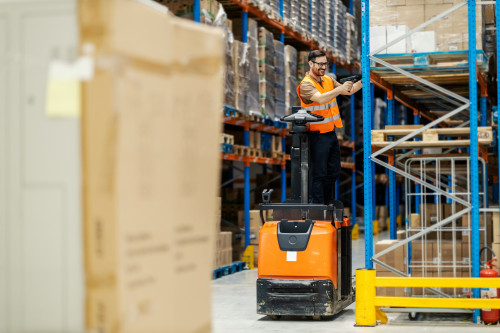
Automated warehouse systems – such as robots, conveyors, and sensors – can contribute to greener operations when guided by accurate data. They can work with lower energy consumption, optimise movement patterns, and reduce the need for heating and lighting across the facility.
At the same time, automation enables real-time monitoring of energy use, making it easier to adjust operations and document sustainability efforts. This supports reporting on ESG (Environmental, Social, and Governance) goals, which are increasingly important for UK businesses and investors alike.
From Data to Action – and Culture
Using warehouse data for sustainable decision-making is not only about technology but also about culture. It requires that both management and staff see data as a tool for improvement rather than control. When everyone understands how small daily adjustments can lead to significant environmental benefits, sustainability becomes a natural part of operations.
This could mean planning picking routes more intelligently, reusing packaging, or choosing suppliers with lower carbon footprints. Data makes it possible to measure the impact of these initiatives and foster a culture of continuous improvement.
The Green Warehouse of the Future
The future of logistics will be data-driven, automated, and sustainable. Companies that start using their warehouse data proactively today will gain an advantage – in efficiency, environmental performance, and competitiveness.
Green logistics is not about choosing between economy and environment, but about using data to find solutions where both go hand in hand. The warehouse is no longer just a link in the supply chain – it is the key to a more sustainable future for British logistics.
Læs også: