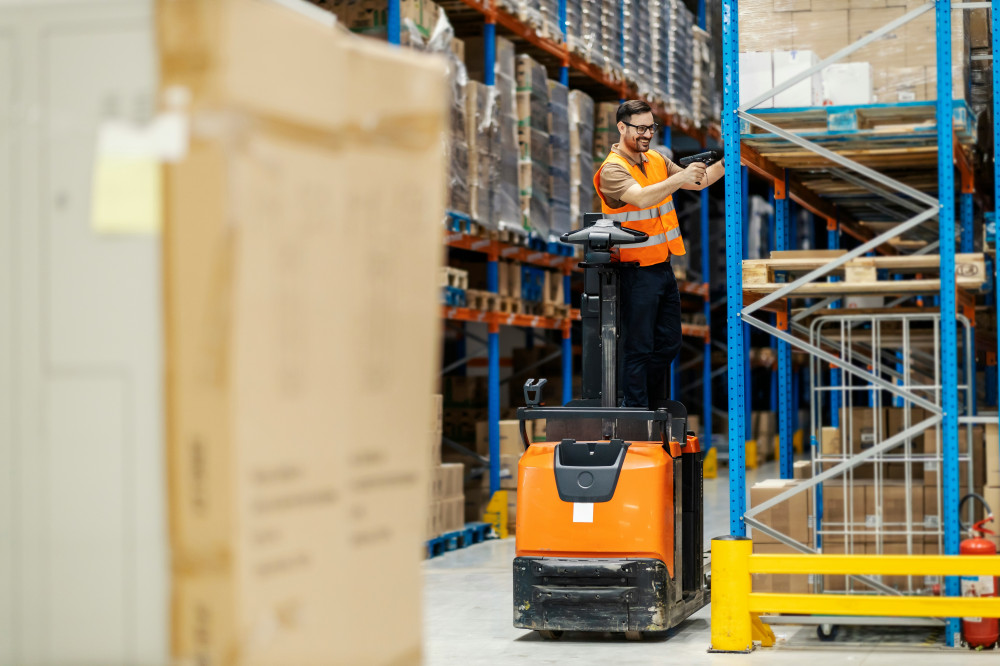
Improve the safety of your warehouse with proper material handling equipment

Improve the safety of your warehouse with proper material handling equipment
Improve the safety of your warehouse with proper material handling equipment
Enhancing warehouse safety hinges on the correct use and maintenance of material handling equipment. By prioritising safe procedures for pallet trucks, scissor lift tables, and pallet lifters, operators create a more secure environment for all staff. Proper equipment selection and upkeep not only reduce risks but also contribute to efficient warehouse workflow.
Accidents and injuries in warehouse settings often stem from neglecting best practices with material handling equipment. Using the right tools for each task, such as pallet trucks for low-level load transport, scissor lift tables for elevated work, and pallet lifters for precise placement, helps prevent common hazards like load instability or operator strain. Consistently checking and maintaining this equipment, alongside clear operational protocols, forms the foundation of a safe and effective workplace. Leadership that invests in reliable tools and operator education sets a strong safety culture from the start.
Choosing the right equipment for safe warehouse tasks
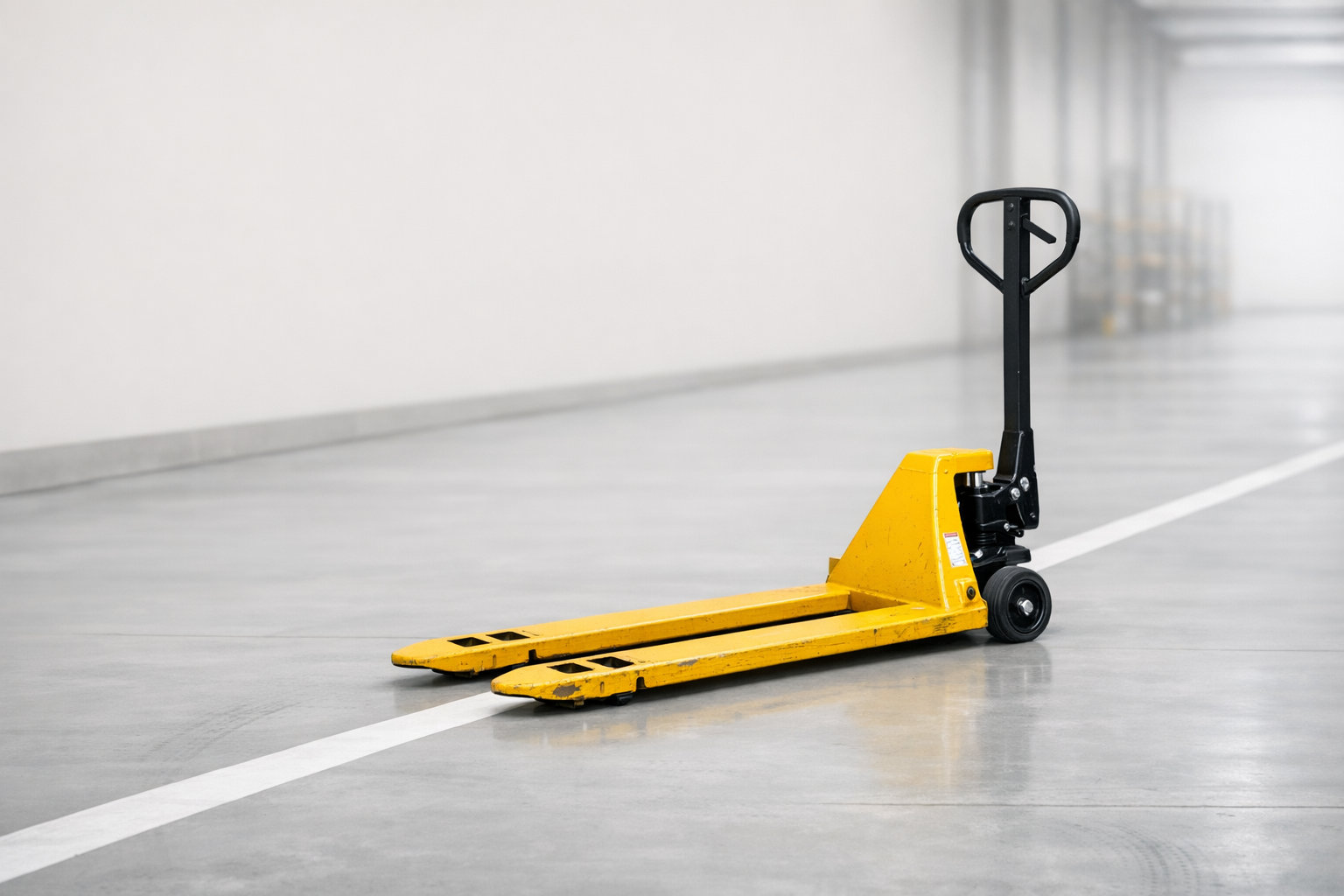
Selecting proper material handling equipment is vital for minimising risk in a warehouse. Pallet trucks suit horizontal load movement, while scissor lift tables allow for stable lifting of goods to elevated positions. Pallet lifters provide controlled and precise lifting for restricted spaces or heavier loads, so understanding each tool's purpose reduces the likelihood of misuse or injury.
When deciding what to use, consider the load type, handling frequency, and the physical space where tasks are performed. Scissor lift tables work best for repeated elevation needs, and pallet trucks offer swift movement for compact areas. Matching equipment capacity to the nature of warehouse materials supports both safety and productivity for teams handling diverse inventory daily.
Beyond basic capacity matching, operators should evaluate ergonomic features that reduce physical strain during repetitive tasks. Equipment with adjustable handles, smooth steering mechanisms, and easy-to-reach controls minimises fatigue and the risk of musculoskeletal injuries over long shifts. Investing in tools designed with operator comfort in mind not only enhances safety but also improves overall efficiency, as workers can maintain focus and precision throughout the day without unnecessary physical stress.
Setting up the warehouse for optimal equipment safety
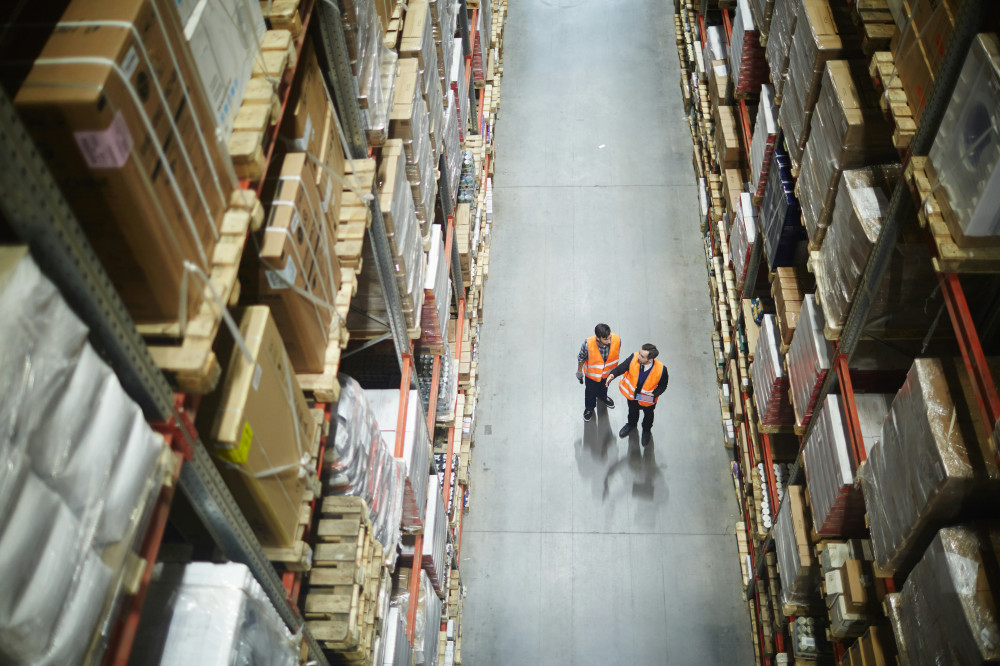
An organised warehouse layout greatly influences the safe use of pallet trucks, scissor lift tables, and pallet lifters. Clear aisles, marked pathways, and level floors help reduce collision risks and support smooth movement of goods. Storing equipment in easy-to-access, dry areas also guards against premature wear and unintended accidents.
Proper signage indicating weight limits, traffic directions, and safety protocols assists operators in making safe decisions. Staff training on identifying hazards, such as uneven surfaces or blocked routes, further underpins safety standards. Investing in storage racks and protective barriers can minimise the risk of dropped loads or accidental impacts during operation.
Adequate lighting throughout the warehouse plays a critical role in preventing accidents during material handling operations. Well-lit aisles, loading bays, and storage zones enable operators to spot potential obstacles, read safety labels clearly, and judge distances accurately when manoeuvring equipment. Installing motion-sensor lighting in less-frequented areas ensures visibility is maintained even during off-peak hours, while reducing energy costs and supporting a safer working environment for all shifts.
Maintenance and inspections as key safety practices
Daily and scheduled inspections are crucial to ensure that material handling equipment operates safely in a busy warehouse. Regular checks for issues like hydraulic leaks, damaged wheels, or faulty controls on pallet trucks, scissor lift tables, and pallet lifters stop hazards from developing unnoticed. Early attention to minor faults also helps maintain equipment reliability and workplace safety standards.
Implementing a routine maintenance plan, including proper lubrication, cleaning, and battery care where necessary, extends the life of the equipment and supports consistent safety. Keeping records of inspections and repairs enables teams to address recurring problems efficiently and fosters a culture of shared responsibility for safety. Operators who see prompt repairs and proactive maintenance are more likely to report issues, strengthening the cycle of risk prevention and asset protection.